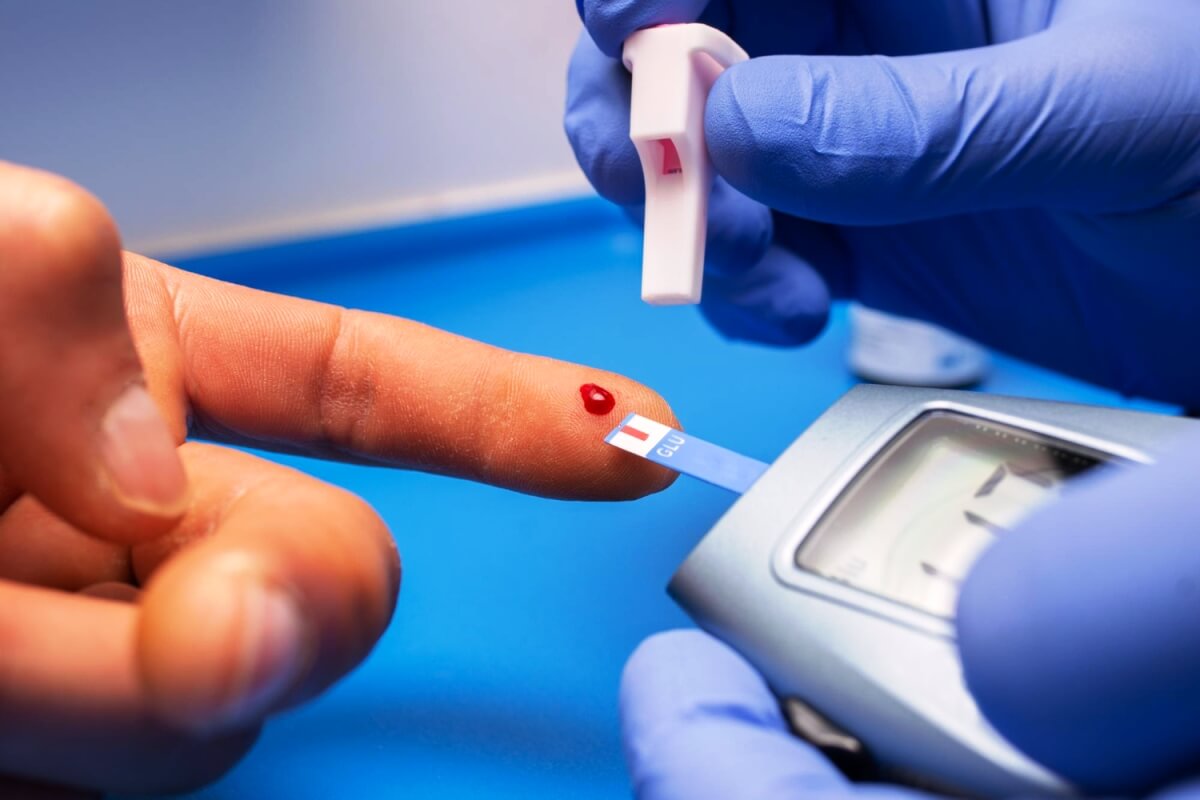
In the modern era of healthcare, the prevalence of diabetes, particularly type 2 diabetes, has reached alarming levels worldwide. While genetic predisposition undoubtedly plays a significant role in an individual’s susceptibility to diabetes, it is increasingly evident that environmental factors also contribute significantly to the development of this chronic condition. Understanding the intricate interplay between genetic and environmental influences is crucial for effective diabetes prevention and management.
Genetic Predisposition:
Genetics undoubtedly plays a crucial role in determining an individual’s risk of developing diabetes. Research has identified numerous genetic variants associated with an increased susceptibility to diabetes, including those influencing insulin secretion, insulin sensitivity, and pancreatic beta-cell function. Individuals with a family history of diabetes are at a higher risk due to inherited genetic factors. However, having a genetic predisposition does not guarantee the development of diabetes; instead, it increases the susceptibility, which can be influenced by environmental factors.
Environmental Influences:
Environmental factors such as lifestyle choices, diet, physical activity levels, obesity, and exposure to toxins significantly impact diabetes risk. Sedentary lifestyles characterized by prolonged sitting and lack of physical activity contribute to insulin resistance and impaired glucose metabolism, increasing the likelihood of developing type 2 diabetes. Poor dietary habits, including high consumption of processed foods, sugary beverages, and foods rich in refined carbohydrates, exacerbate insulin resistance and contribute to weight gain, further elevating diabetes risk.
Obesity, often resulting from a combination of genetic predisposition and environmental influences, is a major risk factor for diabetes. Excess fatty tissue, especially abdominal fat, contributes to insulin resistance and inflammation, disrupting metabolic homeostasis and increasing the risk of developing diabetes.
Exposure to environmental toxins, such as air pollution, pesticides, and endocrine-disrupting chemicals, has also been linked to an increased risk of diabetes. These toxins can interfere with insulin signalling pathways, disrupt glucose metabolism, and contribute to the development of insulin resistance and beta-cell dysfunction.
Trust Global Services: Advocating for Diabetes Prevention and Management
In the face of the escalating diabetes epidemic, companies like Trust Global Services are dedicated to addressing the challenges posed by diabetes and its complications. Specializing in treating diabetes with complications, Trust Global Services recognizes the urgent need for comprehensive approaches to diabetes prevention and management.
With a deep understanding of the genetic and environmental factors influencing diabetes risk, Trust Global Services emphasizes the importance of adopting healthy lifestyle habits to mitigate diabetes risk. Through education, awareness campaigns, and innovative healthcare solutions, Trust Global Services aims to empower individuals to take proactive steps towards achieving optimal health and reducing their risk of diabetes.
Conclusion:
In conclusion, diabetes is a multifactorial disease influenced by a complex interplay of genetic and environmental factors. While genetic predisposition sets the stage for diabetes risk, environmental influences play a pivotal role in determining the likelihood of developing the condition. By recognizing the significance of lifestyle choices, dietary habits, physical activity, and environmental exposures, individuals can take proactive measures to reduce their risk of diabetes and improve their overall health and well-being.
With the support of companies like Trust Global Services, individuals can access the resources and guidance needed to navigate the challenges of diabetes prevention and management successfully. Together, we can work towards a future where diabetes incidence is minimized and individuals can live healthier, happier lives.